Surgery is only the beginning of your recovery. The quality of your post-operative rehabilitation determines how fully, how safely, and how quickly you return to the activities that matter to you.
At London Sports Physiotherapy in Sutton, our specialist physiotherapists deliver structured, evidence-based rehabilitation programmes following a wide range of orthopaedic and spinal procedures, working in close liaison with your surgical team throughout.
Every surgical procedure creates tissue trauma that needs careful, progressive rehabilitation. Without a structured programme there is a risk of poor scar tissue formation, persistent weakness, stiffness, reduced functional capacity, and in some cases re-injury or surgical failure.
Research consistently shows that people who engage in high-quality post-operative physiotherapy from an early stage achieve significantly better outcomes than those who rely on passive recovery alone.
At London Sports Physiotherapy, we design every rehabilitation programme around your specific procedure, your surgeon’s protocols, your age and fitness level, and your personal goals whether that is returning to elite sport, getting back to work, or regaining the independence to carry out everyday activities without pain or limitation.
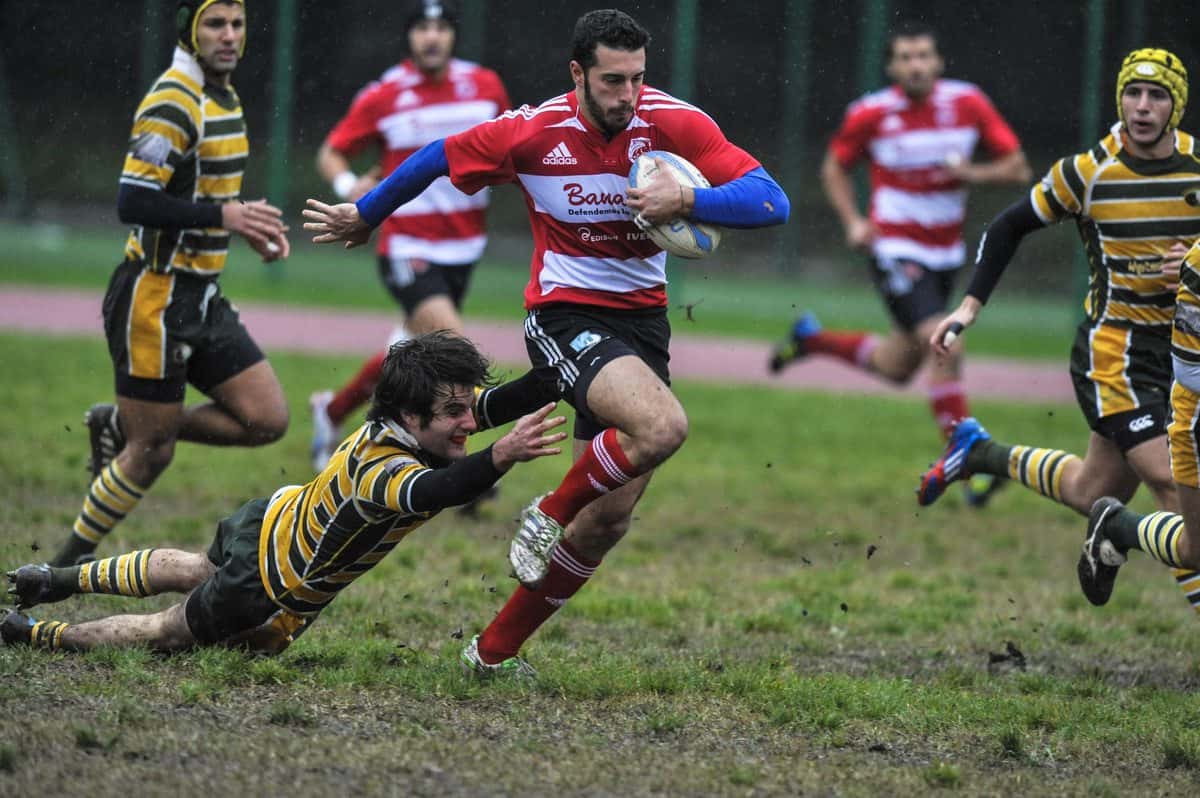
Our clinicians have specialist experience in post-operative physiotherapy following a wide range of orthopaedic and spinal procedures. Key surgeries we rehabilitate include:
The surgery: Rotator cuff repair involves reattaching torn tendons of the shoulder to the humeral head. The procedure may be arthroscopic, mini-open, or open depending on the extent of the tear. Following surgery, the shoulder is immobilised in a sling for a period determined by the surgeon before rehabilitation begins.
Why rehab is critical: The rotator cuff tendons undergo a biological healing process over many months. Rehabilitation must be carefully staged beginning with protected range of motion, progressing through strengthening, and culminating in sport-specific or functional conditioning. Premature loading risks re-tear; insufficient loading leads to stiffness and weakness.
What we do: Staged rehabilitation in accordance with your surgeon’s post-operative protocol, progressive rotator cuff and scapular strengthening, manual therapy for stiffness, and dynamometer strength testing to guide safe progression and return to sport or overhead activity.
Typical rehab timeline: 4–6 months
The surgery: ACL reconstruction replaces the torn anterior cruciate ligament with a graft , typically taken from the hamstring or patellar tendon, to restore knee stability. It is among the most common orthopaedic procedures performed in athletes.
Why rehab is critical: Graft ligamentisation takes up to 18–24 months. Returning to sport before meeting objective strength and movement criteria significantly increases re-rupture risk. Rehabilitation must be criteria-led, not time-led, with dynamometer strength testing used to ensure the graft is ready before return-to-sport clearance is given.
What we do: Comprehensive phased rehabilitation from acute post-operative swelling management through to full sport-specific conditioning, neuromuscular retraining, and formal dynamometer-based limb symmetry testing before return to competition.
Typical rehab timeline: 9–12+ months to sport
The surgery: Meniscal surgery may involve repair (re-attaching the torn meniscus) or partial meniscectomy (removing the damaged portion). Repair requires a longer, more protected rehabilitation; meniscectomy typically allows earlier loading.
Why rehab is critical: Following meniscal repair, protecting the healing tissue during early rehabilitation is essential, while progressive quadriceps and hamstring strengthening reduces load on the knee joint and protects the remaining meniscus long-term. Returning without adequate strength significantly increases risk of further meniscal damage and early-onset osteoarthritis.
What we do: Protocol-driven rehabilitation tailored to whether a repair or meniscectomy was performed, with progressive loading, swelling management, quadriceps activation, and dynamometer-based strength assessment before return to pivoting activities and sport.
Typical rehab timeline: 6 weeks (meniscectomy) to 4–6 months (repair)
The surgery: We rehabilitate people following a range of spinal procedures including discectomy, laminectomy, spinal fusion, and decompression surgery, for conditions including disc herniation, spinal stenosis, and spondylolisthesis.
Why rehab is critical: Post-surgical spinal rehabilitation addresses pain, movement restriction, and the significant muscle inhibition that often follows spinal procedures. Without targeted exercise, people frequently develop persistent weakness, poor movement patterns, and reduced confidence in their spine all of which limit long-term outcomes.
What we do: Carefully graded spinal rehabilitation progressing from early pain management and gentle mobility through to core stability, functional movement, and return to work and activity — always in coordination with your spinal surgeon’s guidelines.
Typical rehab timeline: 3–12 months depending on procedure
Hip Replacement (Total Hip Arthroplasty): Hip replacement is one of the most commonly performed orthopaedic procedures, typically for end-stage hip osteoarthritis. Early physiotherapy following a hip replacement is essential to restore range of motion, strength, and confidence with walking and functional activities. Rehabilitation focuses on progressive hip and lower limb strengthening, balance and proprioception retraining, gait correction, and a graded return to community mobility and recreational activity.
Typical rehab timeline: 3–6 months to full function
Knee replacement surgery for osteoarthritis requires diligent post-operative physiotherapy to overcome post-surgical swelling, pain, and muscle inhibition. Regaining full knee extension early is a priority, followed by progressive quadriceps and hamstring strengthening, range of motion restoration, and functional conditioning. We use dynamometer strength testing to objectively measure quadriceps symmetry and guide safe return to activity.
Typical rehab timeline: 3–6 months to full function

In addition to the procedures above, our Sutton clinic provides post-operative physiotherapy following a wide range of other orthopaedic and surgical interventions:
Surgical team coordination: We work in close liaison with your orthopaedic or spinal surgeon to ensure your rehabilitation follows the correct post-operative protocol for your specific procedure. If you have a post-operative rehabilitation plan from your surgical team, please bring it to your first appointment — we will build your programme around it.
Objective Strength Testing with Handheld Dynamometry
One of the most important and most commonly neglected aspects of post-operative rehabilitation is knowing when a person is objectively strong enough to progress. At London Sports Physiotherapy, we use state-of-the-art handheld dynamometers to precisely measure and compare muscle strength between the operated and non-operated limb throughout your rehabilitation.
This is particularly critical following ACL reconstruction, knee and hip replacement, rotator cuff repair, and meniscal surgery, procedures where premature return to loading or activity in the presence of strength deficits is a leading cause of re-injury, graft failure, or implant complications. Our dynamometer testing provides objective, reproducible data that informs every major progression decision in your programme.
Achieving a limb symmetry index (LSI) of at least 90% meaning the operated limb is within 10% of the non-operated side is a widely accepted benchmark before returning to sport or high-demand physical activity following lower limb surgery. We track this throughout your rehabilitation and will not clear you for return to sport until this threshold is met.
90%+: LSI target required before return to sport or high-demand activity
2–4×: Higher re-injury risk in people with unresolved strength asymmetry
100%: Objective, data-driven progression decisions throughout your rehab


Every post-operative rehabilitation programme at London Sports Physiotherapy is structured around five key phases, adapted to your procedure, your surgeon’s protocol, and your goals:
1 Early Post-Operative Phase
Pain and swelling management, wound monitoring, protection of surgical repair, and early gentle range of motion exercises within your surgeon’s restrictions. Education on load management, positioning, and activity in the initial healing period.
2 Restore Range of Motion & Reduce Inhibition
Progressive mobility work, manual therapy to address stiffness and scar tissue, and early muscle activation to overcome post-surgical inhibition. Joint mobilisation where appropriate to restore full range of movement.
3 Progressive Strength Rehabilitation
Structured progressive loading of the operated limb and surrounding musculature. Regular dynamometer assessments track strength recovery and limb symmetry, ensuring rehabilitation is progressed at the right pace, not too fast, not too slow, based on objective data.
4 Functional & Sport-Specific Conditioning
Integration of higher-level functional movements, balance and neuromuscular control, impact loading, and sport-specific drills. Biomechanical analysis where relevant to address movement patterns that may increase re-injury risk
5 Return-to-Sport or Full Activity Clearance
Formal dynamometer strength assessment to confirm limb symmetry meets the 90%+ LSI threshold. Criteria-led return-to-sport protocol incorporating physical benchmarks, psychological readiness, and sport-specific performance tests. Evidence-based clearance, not guesswork.
We offer the full range of evidence-based treatments required for comprehensive post-operative rehabilitation:
Dynamometer Strength Testing
Objective limb symmetry and strength assessment throughout rehabilitation ensuring evidence-based progression and safe return-to-sport or activity clearance.
Staged Rehabilitation Programmes
Phase-specific, protocol-driven programmes aligned with your surgical team’s guidelines and your individual recovery trajectory.
Manual Therapy
Joint mobilisation, scar tissue management, soft tissue release, and neural techniques to restore movement and reduce post-operative stiffness.
Progressive Strength & Conditioning
Targeted loading programmes building from early muscle activation through to high-load functional strength, calibrated using dynamometer data.
Gait & Movement Retraining
Correction of post-surgical gait deviations, movement compensations, and biomechanical faults that may develop during the recovery period.
Neuromuscular Retraining
Balance, proprioception, and reactive neuromuscular exercises to restore joint awareness and reduce re-injury risk particularly important following ACL and ankle surgery.
Injection Therapy
Steroid or hyaluronic acid injections where clinically appropriate to manage post-operative pain and facilitate rehabilitation progress.
Return-to-Sport Clearance
Criteria-led, dynamometer-verified return-to-sport and activity programmes, giving you and your surgical team objective evidence that you are ready.

Highly Experienced Team: Our physiotherapists have worked with elite athletes, in acute hospital settings, and with complex musculoskeletal presentations. We bring specialist expertise to every client interaction.
Evidence-Based Practice: All treatment is grounded in current research and best-practice guidelines, ensuring you receive the most effective care available.
Advanced Facilities: Our state-of-the-art clinic in the Oru Building, Sutton, provides dedicated rehabilitation space, objective testing equipment, and diagnostic ultrasound capabilities.
Holistic Approach: We address the root cause of your problem, not just symptoms, ensuring sustainable long-term results.
One-to-One Appointments: Personalized attention throughout your entire appointment—no shared sessions or group classes.
Flexible Options: We work with self-funded clients and all major private health insurance providers, offering convenient appointment times to suit your schedule.
Comprehensive Services: From initial injury assessment to post-operative rehabilitation and performance optimization, we provide complete musculoskeletal care under one roof.
Located in central Sutton with easy accessibility, we’re trusted by people across SM1, SM2, Cheam, Carshalton, and the wider Surrey area.
The timing depends on your specific procedure and your surgeon's protocol. Some post-operative programmes begin within days of surgery particularly following knee replacement or spinal decompression. Others, such as rotator cuff repair, require a period of immobilisation before physiotherapy commences. As a general rule, earlier is better, and we encourage you to book your initial assessment as soon as your surgeon has cleared you to begin rehabilitation.
Dynamometer testing allows us to objectively measure the strength of your operated limb compared to the non-operated side, tracking recovery with precision at every stage. This removes guesswork from the most important decisions in your rehabilitation such as when to progress loading, when to start running, or when it is safe to return to sport. People who receive clearance based on objective strength criteria have significantly better long-term outcomes and lower re-injury rates than those cleared on time or pain alone.
This varies considerably depending on the procedure. A partial meniscectomy may require six to eight weeks of rehabilitation, while ACL reconstruction typically requires nine to twelve months or longer before safe return to sport. Hip and knee replacements generally take three to six months to reach full functional recovery. Your physiotherapist will give you a realistic, personalised estimate at your initial assessment and will use dynamometer testing to ensure milestones are based on your actual progress, not average timelines.
No, you can self-refer directly to London Sports Physiotherapy without a referral from your surgeon or GP. However, if your surgeon has provided a specific post-operative rehabilitation protocol, it is very helpful to bring this to your first appointment so we can align your programme accordingly. We are also happy to liaise directly with your surgical team if required.
Yes, many people choose to access private physiotherapy following NHS surgery to benefit from faster appointments, more treatment time per session, greater continuity of care, and access to services such as dynamometer testing that may not be available within the NHS pathway. There is no restriction on accessing private physiotherapy after NHS surgery, and our team is experienced in working alongside NHS surgical teams.
Yes, we have experience rehabilitating people following a range of spinal procedures including discectomy, laminectomy, and spinal fusion. Spinal rehabilitation is carefully staged and always carried out in accordance with the operating surgeon's post-operative instructions. We take a graduated, evidence-based approach to rebuilding core stability, mobility, and functional capacity following spinal surgery.
We liaise directly with your surgical team to ensure your rehabilitation follows the correct protocol for your specific procedure, and we keep surgeons informed of your progress throughout.
We treat people from recreational to elite athlete level, and we understand that recovery goals vary enormously from returning to professional sport within a target window, to regaining the independence to walk to the shops after a joint replacement. Whatever your goal, we will build your programme around it.
The team at London Sports Physiotherapy in Sutton provides expert physiotherapy for musculoskeletal conditions in a friendly, professional, discreet and supportive environment.
No GP referral is required. We offer flexible early morning, evening, and weekend appointments, and people across Sutton, Cheam, Carshalton, Morden, Epsom, and Wallington can access our services without long waiting times. Most people are seen within a week of first contact.
We welcome self-referrals, no GP referral is required. Early morning, evening, and weekend appointments are available, and most people are seen within a week of first contact.
Contact us today to book your initial assessment or to speak with one of our specialist physiotherapists about your symptoms. We are based in Sutton and proudly serve people from across South London and Surrey.