1. What Are Running Knee Injuries?
Running is one of the most popular forms of exercise in London and across the UK, but it places significant and repetitive mechanical demands on the knee joint. Unlike acute traumatic injuries, running-related knee injuries typically develop gradually through cumulative overload and are the result of repetitive stress exceeding the tissue’s capacity to adapt and recover.
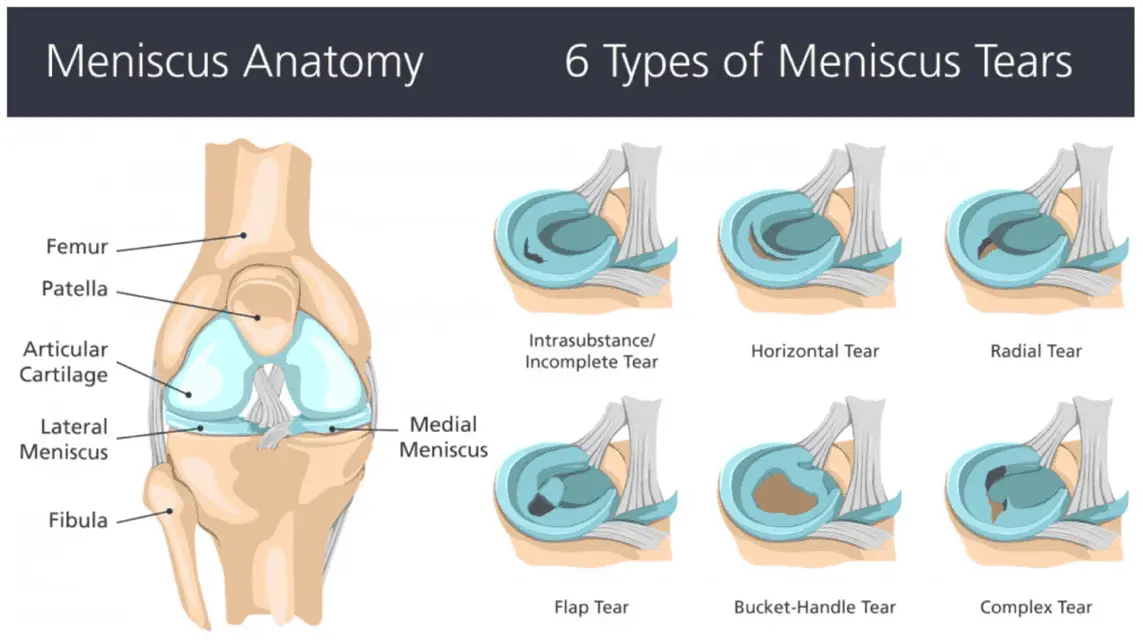
The knee is the largest and most complex joint in the body, comprising bones, cartilage, ligaments, tendons, and bursae, all of which must work in precise coordination during the running gait cycle. When any component of this system is overloaded or becomes dysfunctional, pain and injury can follow. The most common running knee injuries include patellofemoral pain syndrome (PFPS), iliotibial band syndrome (ITBS), patellar tendinopathy, pes anserine bursitis, medial plica syndrome, and proximal hamstring tendinopathy. Each condition has its own underlying mechanism, clinical presentation, and optimal treatment pathway.
Understanding which structure is involved, and why, is the cornerstone of effective rehabilitation. At London Sports Physiotherapy, we are specialists in managing knee pain and take pride in delivering detailed, expert assessments that go far beyond a simple diagnosis to uncover the root causes driving your injury.
2. What Causes Running Knee Injuries?
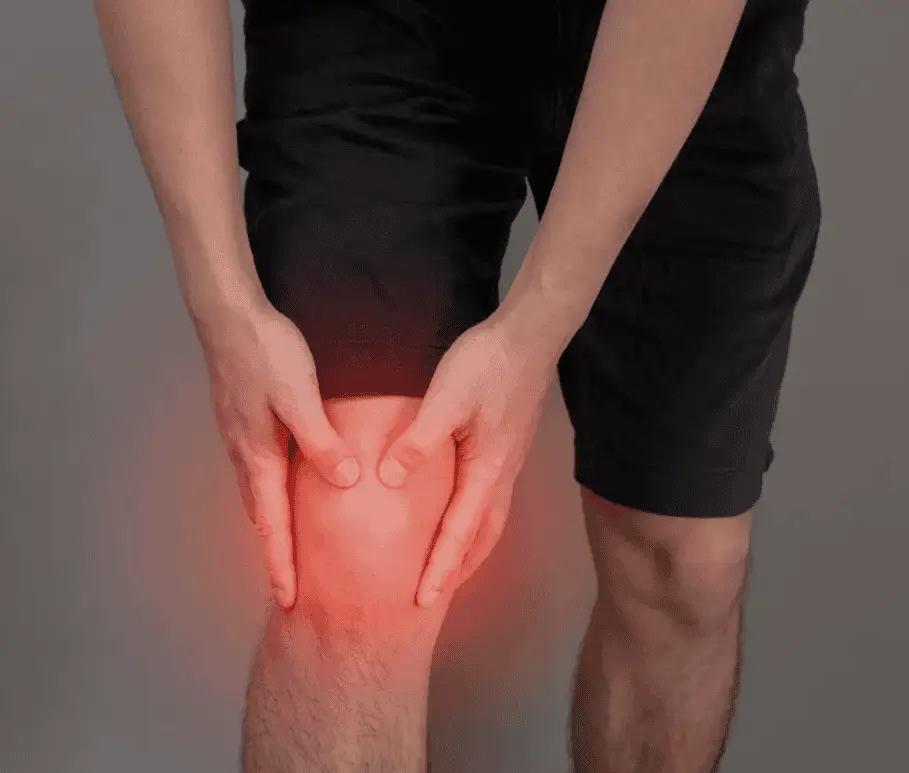
Running knee injuries are rarely the result of a single factor. In the vast majority of cases, they arise from an interaction of training load errors, biomechanical contributors, and individual tissue characteristics.
Training load errors are the most common cause. A rapid increase in weekly mileage, a sudden introduction of hill work, speed sessions, or back-to-back running days without adequate recovery can overwhelm the tissue’s adaptive capacity. The fundamental principle of load management (progressive overload with appropriate recovery) is central to both injury prevention and rehabilitation.
Biomechanical contributors include hip abductor weakness, which alters lower limb alignment and increases lateral knee stress (a primary driver of ITBS and PFPS); quadriceps weakness or inhibition, which raises patellofemoral joint loading; poor ankle dorsiflexion, which alters running mechanics proximally; and foot pronation or supination patterns that affect tibial rotation and knee tracking.
Training surface and footwear also play a role. Consistently running on cambered or uneven surfaces, or in footwear that does not support an individual’s specific biomechanical needs, can contribute to asymmetric loading patterns.
Other factors include previous injury (particularly incomplete rehabilitation), tight hip flexors or quadriceps, leg length discrepancy, and returning to training too quickly following illness or rest.
3. Signs and Symptoms of Running Knee Injuries
The symptoms of running knee injuries vary depending on the specific structure involved, but there are several hallmark presentations that clinicians at London Sports Physiotherapy look for during assessment.
Patellofemoral Pain Syndrome (Runner’s Knee): Diffuse aching pain around or behind the kneecap, typically worse during or after running, descending stairs, squatting, or prolonged sitting with the knee bent. Often accompanied by a sensation of stiffness or “grating” under the kneecap.
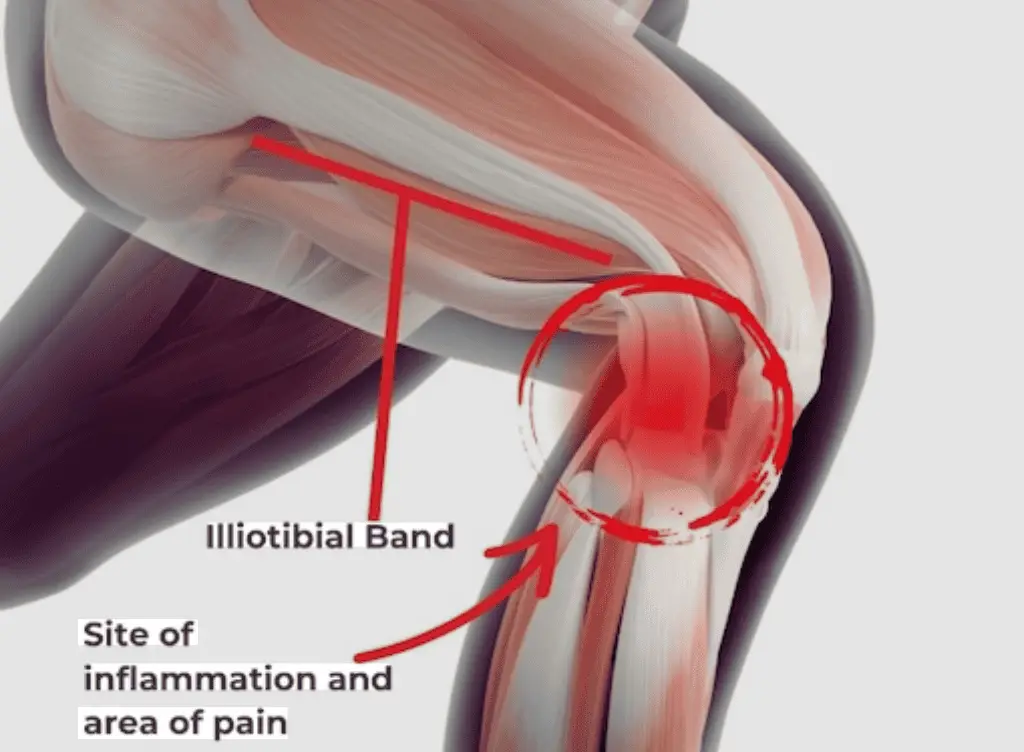
Iliotibial Band Syndrome: Sharp or burning pain on the outer aspect of the knee, characteristically appearing at a consistent point during a run — often around the 2–3 km mark — and easing with rest. May be accompanied by localised tenderness over the lateral femoral epicondyle.
Patellar Tendinopathy: Localised pain at the lower pole of the kneecap, most prominent with loading activities such as running, jumping, and stairs. Pain is often described as sharp initially and eases with warm-up, only to return after activity.
Pes Anserine Bursitis: Pain and tenderness on the inner, lower aspect of the knee, often aggravated by climbing stairs or running. More common in those with osteoarthritis or biomechanical valgus alignment.
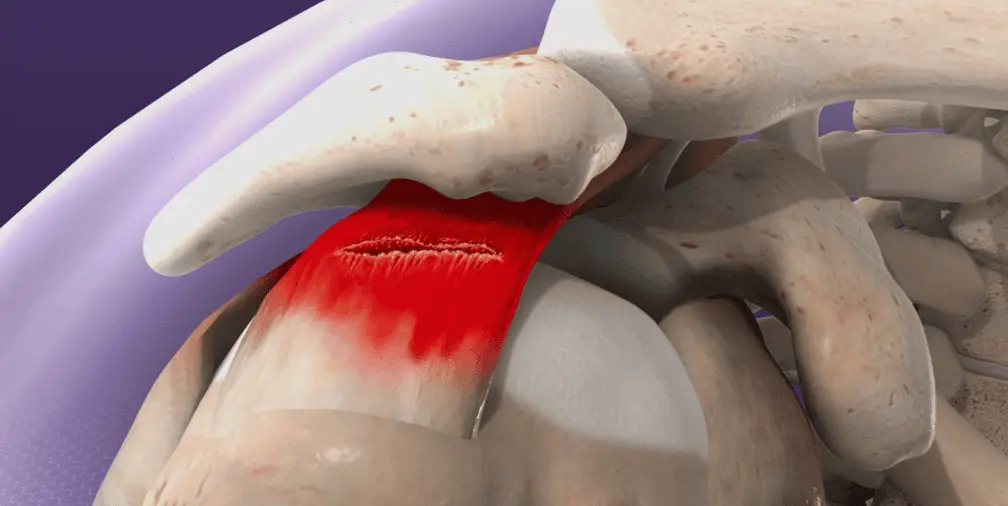
Proximal Hamstring Tendinopathy: Deep, aching buttock pain that extends into the back of the thigh with running — particularly during sustained efforts or uphill running — and worsens with prolonged sitting.
4. How Are Running Knee Injuries Diagnosed?
At London Sports Physiotherapy diagnosis begins with a thorough and systematic clinical assessment by our expert physiotherapists. A detailed history is taken to understand the onset, behaviour, and progression of symptoms, followed by a comprehensive physical examination assessing joint mobility, muscle length and strength, movement patterns, and tissue sensitivity.
Condition-specific orthopaedic tests, such as the Noble compression test for ITBS, the Clarke’s test for PFPS, and palpation of the patellar tendon, are used to reproduce symptoms and confirm the clinical diagnosis.
What truly sets our assessment apart is the use of point-of-care diagnosis ultrasound scans to visualise soft-tissue structures and help confirm a diagnosis, along with state-of-the-art VALD dynamometry. This gold-standard strength testing equipment precisely quantifies strength in the quadriceps, hamstrings, hip abductors, and other key muscle groups. This allows us to identify specific deficits, measure limb-to-limb asymmetries, and set objective benchmarks for progression throughout rehabilitation. Rather than relying on subjective impression alone, VALD data enables truly evidence-based, individualised treatment planning.
Where further information is required, imaging may be recommended. We are able to offer point-of-care diagnostic ultrasound scans in clinic where appropriate, however ultrasound is often not the imaging modality of choice concerning the knee due to its inability to identify deep structures of the knee such as the medial meniscus, lateral meniscus and cruciate ligaments (anterior cruciate ligament (ACL) and posterior cruciate ligament (PCL))
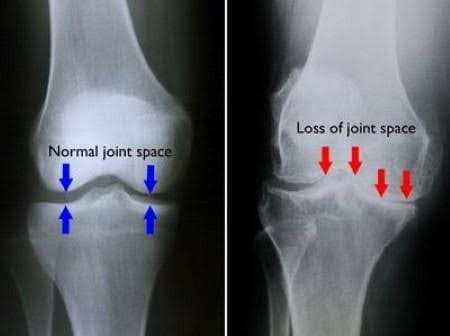
An MRI scan is the gold standard for visualising soft tissue structures including the meniscus, and can confirm the location, type, and severity of a tear. A weight-bearing x-ray may also be helpful to rule out bony involvement or assess for arthritic changes.
5. Treatment Options for Running Knee Injuries
The good news for runners is that the vast majority of knee injuries respond excellently to well-directed physiotherapy, without the need for surgery or prolonged time away from running. At London Sports Physiotherapy, treatment is highly individualised and evidence-based, drawing on our full range of clinical skills and specialist equipment:
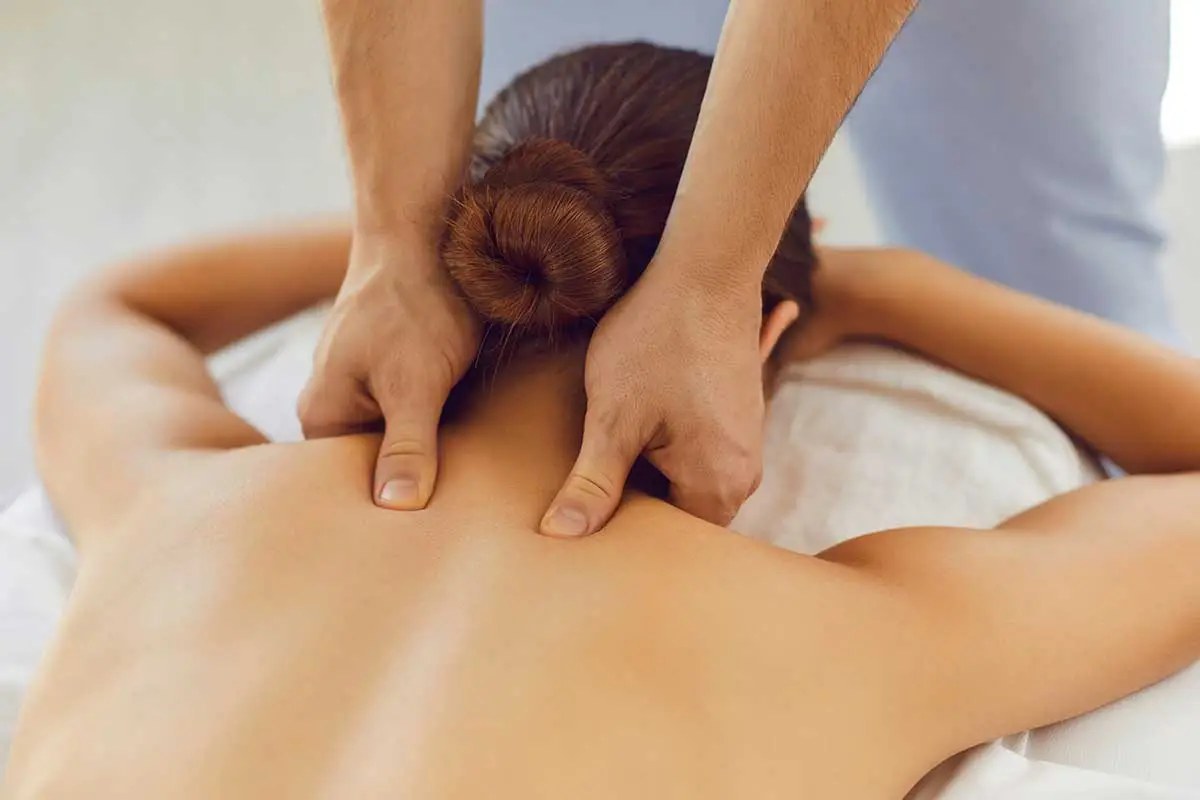
Manual therapy and soft tissue treatment address joint stiffness, myofascial tightness, and movement restrictions that may be contributing to the injury.
Progressive rehabilitation exercise forms the backbone of recovery, targeting the specific muscular deficits identified on assessment, most commonly the quadriceps, hip abductors, and gluteals, and progressively restoring load tolerance in the affected tissue.
Occlusion Blood Flow Restriction (BFR) Training is a game-changing rehabilitation tool, particularly valuable in the early stages of tendon or patellofemoral rehabilitation. By applying a specialised cuff to partially restrict venous blood flow, BFR enables significant improvements in muscle strength and hypertrophy at substantially lower training loads. This means runners can build meaningful quad and hip strength without aggravating their symptoms, accelerating the rehabilitation timeline considerably.
Electrical Muscle Stimulation (EMS) is used to address quadriceps inhibition which is a common finding following knee pain and swelling where the nervous system reflexively “switches off” the quadriceps as a protective response. EMS facilitates neuromuscular re-activation, helping to restore the muscle function necessary for pain-free running.
Running gait retraining is an often-overlooked but critical component of rehabilitation. Our clinicians analyse running mechanics and implement targeted corrections such as increasing step rate, improving hip extension, or reducing crossover gait to reduce mechanical load on the symptomatic tissue.
Load management and return-to-run programming ensures that the transition back to full training is graduated and structured, preventing the recurrence that so commonly follows an over-hasty return.
Where conservative rehabilitation alone is insufficient, we also offer:
Corticosteroid injections to rapidly reduce inflammation and pain. This is particularly useful in conditions such as pes anserine bursitis or acute ITBS, creating a window of reduced pain in which rehabilitation can progress more effectively.
Hyaluronic acid injections to improve joint lubrication and reduce pain in those where articular cartilage changes or patellofemoral joint degeneration accompany the running injury.
6. How Can London Sports Physiotherapy Help?
London Sports Physiotherapy is a specialist clinic with deep expertise in the assessment and treatment of running-related knee injuries. We understand the frustration of being unable to run or move freely. Whether you are preparing for a marathon in London, training for a local 5K, or simply trying to maintain the fitness and mental wellbeing that running brings to your life, we are the place for you.
Our highly skilled clinicians combine advanced diagnostic ultrasound scans and expert hands-on treatment with the most advanced rehabilitation technology available. VALD strength testing gives us objective data to drive your recovery and track your progress with precision. BFR training and EMS allow us to optimise muscle function at every stage. Injection therapies provide targeted relief when needed, and our running gait reanalysis ensures you return to running not just recovered, but stronger and more resilient than before.
We specialise in knee injuries and understand the nuances that distinguish one running knee condition from another. Our individualised, client-centred approach means your care is built around your goals, your body, and your timeline, not a generic protocol.
Whether you are dealing with your first running injury or a frustrating recurrence, London Sports Physiotherapy has the expertise, technology, and clinical excellence to get you back to doing what you love.
Frequently Asked Questions
Not always. In many cases, a modified training load, reducing volume, intensity, or avoiding specific trigger activities is preferable to complete rest. Continued appropriate activity supports tissue healing through mechanotransduction. Your physiotherapist will advise a specific plan based on your assessment findings.
Patellofemoral pain syndrome (runner’s knee) and iliotibial band syndrome are the two most frequently seen running knee injuries. Both typically respond very well to physiotherapy when properly assessed and treated.
Recovery timelines vary depending on the specific condition, its severity, and how long it has been present. Acute presentations may resolve in 4–8 weeks, while chronic tendinopathies or established patellofemoral pain may require 12–16 weeks or more of structured rehabilitation.
Yes. Progressive strengthening, particularly of the quadriceps and hip musculature, is one of the most effective interventions for running-related knee injuries. Strength deficits are a consistent finding across most conditions and addressing them is central to both recovery and prevention of recurrence.
BFR training uses a specialised cuff to partially restrict venous blood flow during low-load exercise, enabling significant muscle strength and hypertrophy gains at reduced loading. It is a safe, evidence-based technique when applied by trained clinicians and is particularly effective in knee rehabilitation where heavy loading may initially be contraindicated.
Not necessarily. Most running knee injuries can be confidently diagnosed through clinical assessment alone. Imaging may be recommended if there are features suggesting structural pathology such as a ligament or cartilage injury, or if symptoms are not responding as expected to treatment.
At London Sports Physiotherapy we offer advanced point-of-care diagnostic ultrasound scans when indicated. These can be helpful for visualising the superficial structures but is not the recommended imaging modality of choice as it is unable to visualise deeper structures of the knee such as the meniscus or cruciate ligaments.
London Sports Physiotherapy is based in Sutton, South London. Get in touch today to book your comprehensive knee assessment and begin your personalised recovery programme.
London Sports Physiotherapy — Specialist Knee and Running Injury Clinic in London. Expert assessment, diagnostic ultrasound, state-of-the-art rehabilitation technology and outstanding clinical care.