
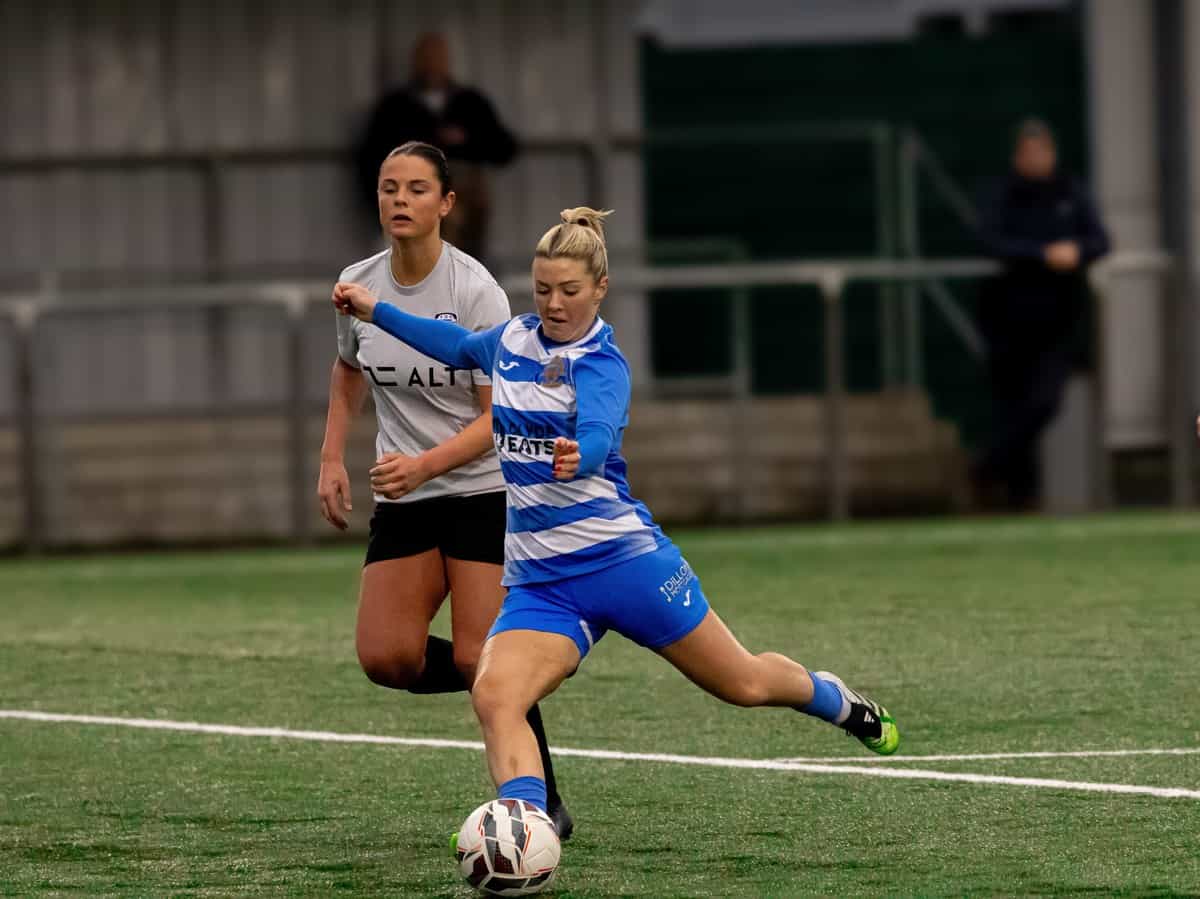
Sports injuries can happen to anyone from elite athletes and weekend warriors to those simply staying active.
At London Sports Physiotherapy in Sutton, our team of specialist physiotherapists provides prompt assessment, accurate diagnosis, evidence-based rehabilitation, and state-of-the-art strength testing to get you back to training and competition as quickly, safely, and confidently as possible.
Our clinic treats pain and injuries across all regions of the body, specialising in knee pain, back pain and sciatica. Please click on the below hyperlinks for further information.
When to seek urgent care: If you have sustained an injury with significant joint deformity, loss of sensation, inability to bear weight, or signs of fracture, please attend A&E or an urgent care centre before booking physiotherapy. For most sports injuries without these features, early physiotherapy assessment is the most effective next step.

We work with athletes and active individuals from across South London and Surrey who participate in a wide range of sports and physical activities, including: Football, Rugby, Cricket, Tennis, Golf, Running, Cycling, Swimming, Gym & weightlifting, CrossFit, Martial arts, Basketball, Netball, Hockey, Rowing, Dance & gymnastics, Triathlon, Padel.
Whether you are a competitive club athlete, a recreational weekend player, or someone who has sustained an injury during general exercise, our clinicians have the expertise to assess, diagnose, and treat your injury effectively.
Sports injuries broadly fall into two categories: acute injuries, which occur suddenly during activity, and overuse injuries, which develop gradually through repetitive loading over time. Both require accurate diagnosis and a structured rehabilitation approach for a full recovery.
Muscle strains and tears
Muscle strains range from minor fibre tears (Grade I) to complete muscle ruptures (Grade III). Common sites include the hamstring, calf, quadriceps, and groin. Accurate grading is essential to determine the appropriate rehabilitation timeline and return-to-sport protocol.
Common in: Sprinting, football, rugby, tennis, and gym-based training.
Ligament sprains
Ligament sprains occur when joint-stabilising ligaments are overstretched or torn. The ankle, knee (ACL, MCL), and shoulder are the most commonly affected areas. Graded rehabilitation and, where appropriate, bracing or taping are key to restoring stability and preventing re-injury.
Common in: Football, rugby, basketball, netball, skiing, and contact sports.
Tendon injuries
Tendinopathy, degeneration of a tendon due to repetitive overload, is one of the most common sports injuries. The Achilles, patellar, rotator cuff, and elbow tendons are frequent sites. Progressive loading programmes are the gold standard for rehabilitation.
Common in: Running, jumping sports, racket sports, and gym training.
Joints and dislocation
Joint injuries include cartilage damage, labral tears, and acute dislocations. The shoulder, hip, and knee are most commonly involved in sports. Structured physiotherapy is essential to restore movement, strength, and joint stability following medical assessment.
Common in: Contact sports, throwing athletes, gymnasts, and combat sports.
Stress fracture and bone injuries
Stress fractures result from repetitive bone loading without adequate recovery. They are most common in the foot, shin (tibia), and lower back (pars interarticularis). Management involves imaging confirmation and a carefully graded return-to-load programme.
Common in: Runners, gymnasts, dancers, and military personnel.
Concussion and head injuries
Sports-related concussion requires prompt recognition and careful management. Our clinicians are trained in evidence-based concussion assessment and graduated return-to-sport protocols, working in line with current national guidelines for a safe, monitored recovery.
Common in: Rugby, football, boxing, hockey, cycling, and equestrian sports.

Objective Strength Testing with Handheld Dynamometry
At London Sports Physiotherapy, we use state-of-the-art handheld dynamometers to objectively measure and compare muscle strength during your rehabilitation, giving both you and your clinician precise, data-driven insight into your recovery progress that subjective testing simply cannot provide.
Dynamometry allows us to accurately measure the strength of injured and uninjured limbs and quantify any side-to-side asymmetry. Research consistently shows that athletes who return to sport before restoring adequate strength symmetry, typically defined as achieving at least 90% limb symmetry index (LSI), face a significantly elevated risk of re-injury. Our dynamometer testing removes the guesswork from this critical decision.
Strength testing with dynamometry is used throughout your rehabilitation programme and is an integral part of our return-to-sport clearance process. It is particularly valuable following knee ligament injuries (ACL and MCL), hamstring strains, hip and shoulder rehabilitation, and post-surgical recovery.
90%+: Limb symmetry index target before return to sport
2–3×: Higher re-injury risk when returning with strength deficits
100%: Objective, data-led return-to-sport decisions at every stage
At London Sports Physiotherapy, we do not simply treat symptoms, we identify the underlying cause of your injury, address it thoroughly, and build a programme that returns you to sport at full capacity with confidence. We use a phased rehabilitation model adapted to your sport, position, and performance goals, with objective strength testing integrated throughout:
1 Acute Management & Diagnosis
Thorough clinical assessment to establish an accurate diagnosis, grade the injury, and determine whether imaging or onward referral is required. Early pain management and protection of injured tissue.
2 Restore Movement & Reduce Pain
Manual therapy, soft tissue techniques, taping, and early exercise to reduce pain and swelling, restore range of motion, and begin loading the injured structure appropriately.
3 Rebuild Strength – Tested & Measured
Progressive strength and conditioning targeting the injured structure and surrounding musculature. Dynamometer testing is used to objectively track strength recovery, quantify side-to-side symmetry, and identify any remaining deficits that need addressing before progressing to sport-specific work.
4 Sport-Specific Conditioning
Integration of sport-specific movement patterns, agility, speed, and reactive drills that replicate the demands of your sport and position. Biomechanical analysis where relevant to address contributing factors.
5 Return-to-Sport Clearance
Before returning to full training and competition, you undergo a formal dynamometer strength assessment to confirm you have met objective limb symmetry and strength benchmarks. This data-led clearance process significantly reduces re-injury risk and gives you, and your coaches, evidence-based confidence in your return to sport.

For appropriate sports injuries involving significant inflammation, tendon degeneration, or joint involvement, injection therapy can form a valuable part of the management plan. At London Sports Physiotherapy in Sutton, we offer both corticosteroid (steroid) and hyaluronic acid (HA) injections, administered by our qualified clinicians alongside physiotherapy rehabilitation for the best outcomes.
Corticosteroid (Steroid) Injection
Fast-acting anti-inflammatory
Steroid injections deliver targeted anti-inflammatory medication directly to the affected tissue, providing rapid pain relief that creates a window for physiotherapy and sport-specific rehabilitation to progress effectively. Particularly useful where pain levels are preventing meaningful rehabilitation progress.
Particularly effective for:
Hyaluronic Acid (HA) Injection
Joint support & long-term relief
Hyaluronic acid injections restore natural joint lubrication and support the repair environment within the joint, offering longer-lasting relief than steroid injections. They are particularly well suited to athletes managing joint degeneration who wish to maintain performance and delay surgical intervention.
Particularly effective for:
We offer a comprehensive toolkit of evidence-based treatments, tailored to the nature and stage of your injury and the specific demands of your sport:
Dynamometer Strength Testing
Objective, data-led muscle strength assessment using state-of-the-art handheld dynamometers, quantifying side-to-side symmetry and guiding safe, evidence-based return-to-sport decisions.
Sports Injury Assessment
Detailed clinical examination including movement screening, muscle testing, and special tests to establish an accurate diagnosis and injury grade.
Strength & Conditioning
Progressive loading programmes targeting injured structures and supporting musculature, designed around your sport, position, and performance level.
Manual Therapy
Joint mobilisation, soft tissue release, and neural techniques to reduce pain, restore movement, and optimise tissue healing.
Dry Needling
Intramuscular stimulation to reduce trigger point pain, muscle tightness, and inhibition — effective for muscular and tendon injuries.
Biomechanical & Gait Analysis
Assessment of running mechanics, landing patterns, and sport-specific movement to identify and correct the root cause of overuse injuries.
Taping & Bracing
Sports taping, kinesiology taping, and bracing to offload injured structures, support rehabilitation, and enable safe return to activity.
Injection Therapy
Steroid or hyaluronic acid injections for appropriate injuries, providing targeted pain relief to enable more effective rehabilitation.
Return-to-Sport Programmes
Criteria-led, sport-specific return-to-competition protocols, incorporating dynamometer strength clearance to ensure you return at full capacity, not just pain-free.


Our clinic in Sutton is staffed by physiotherapists with postgraduate qualifications and extensive experience in sports and musculoskeletal physiotherapy. We invest in state-of-the-art equipment including dynamometer strength testing technology because we believe your rehabilitation decisions should be driven by objective data, not guesswork.
We work with athletes from recreational to competitive level across a wide range of sports, and we understand the drive to return to training quickly without compromising long-term health, performance, or safety. Our dynamometer-led return-to-sport clearance process gives athletes and their coaches reliable, evidence-based assurance at every stage of recovery.
We offer same-week appointments for acute injuries, with early morning, evening, and weekend slots available. No GP referral is needed, and people across Sutton, Cheam, Carshalton, Morden, Epsom, and Wallington can access our services conveniently and without long waiting times.
Highly Experienced Team: Our physiotherapists have worked with elite athletes, in acute hospital settings, and with complex musculoskeletal presentations. We bring specialist expertise to every client interaction.
Evidence-Based Practice: All treatment is grounded in current research and best-practice guidelines, ensuring you receive the most effective care available.
Advanced Facilities: Our state-of-the-art clinic in the Oru Building, Sutton, provides dedicated rehabilitation space, objective testing equipment, and diagnostic ultrasound capabilities.
Holistic Approach: We address the root cause of your problem, not just symptoms, ensuring sustainable long-term results.
One-to-One Appointments: Personalized attention throughout your entire appointment—no shared sessions or group classes.
Flexible Options: We work with self-funded clients and all major private health insurance providers, offering convenient appointment times to suit your schedule.
Comprehensive Services: From initial injury assessment to post-operative rehabilitation and performance optimization, we provide complete musculoskeletal care under one roof.
Located in central Sutton with easy accessibility, we’re trusted by people across SM1, SM2, Cheam, Carshalton, and the wider Surrey area.
A dynamometer is a precision instrument used to objectively measure muscle force output. In sports injury rehabilitation, it allows us to accurately compare the strength of your injured limb against the uninjured side, tracking recovery progress with real data rather than subjective assessment alone. Research consistently shows that returning to sport with residual strength deficits, particularly a limb symmetry index (LSI) below 90% , significantly increases the risk of re-injury. Our dynamometer testing removes this uncertainty, ensuring you return to sport when your body is truly ready.
As soon as possible, early assessment and management are associated with better outcomes for the majority of sports injuries. Within the first 24 to 72 hours, a physiotherapist can accurately grade the injury, guide you on appropriate activity levels, and begin treatment that reduces overall recovery time. You do not need to wait for swelling or bruising to settle before being seen.
In most cases, no. An experienced physiotherapist can diagnose the majority of sports injuries through clinical assessment alone. Imaging such as MRI or ultrasound may be recommended where a more complex or severe injury is suspected, such as a complete tendon rupture or stress fracture, but it is not routinely needed before your first appointment. Your physiotherapist will advise if imaging is clinically indicated.
Return-to-sport timing depends on the nature and severity of your injury, your sport, and your role within it. At London Sports Physiotherapy, we use objective, criteria-based return-to-sport protocols, including dynamometer strength testing, rather than simply basing decisions on time elapsed or pain levels alone. This means you return when you have demonstrably met specific strength, symmetry, and performance benchmarks, significantly reducing re-injury risk.
Steroid injections can be a valuable tool for certain sports injuries where pain or inflammation is limiting rehabilitation progress. They are most effective for tendinopathy, bursitis, and joint inflammation, and work best as part of a broader treatment plan that includes physiotherapy and strength rehabilitation. They are not appropriate for all injuries, your physiotherapist will advise whether an injection is suitable at your assessment.
Yes, recurring overuse injuries are a particular area of expertise for our team. Chronic recurrence usually indicates that the underlying cause whether a loading error, biomechanical fault, or strength deficit, has not been fully addressed. Our approach combines thorough assessment, structured rehabilitation, biomechanical analysis, and dynamometer strength testing to identify and correct root causes, not just manage symptoms.
No, you can self-refer directly to London Sports Physiotherapy without seeing your GP first. For acute sports injuries, we strongly encourage booking as early as possible. Simply contact us via our website or by phone and we will arrange your assessment promptly
If you are experiencing a sports injury, physiotherapy can help identify and treat the underlying cause.
We invest in state-of-the-art equipment including dynamometer strength testing technology because we believe your rehabilitation decisions should be driven by objective data, not guesswork.
We work with athletes from recreational to competitive level across a wide range of sports, and we understand the drive to return to training quickly without compromising long-term health, performance, or safety. Our dynamometer-led return-to-sport clearance process gives athletes and their coaches reliable, evidence-based assurance at every stage of recovery.
You do not have to keep living in pain. Specialist help is available, and the sooner you seek it, the sooner you can start feeling better. The team at London Sports Physiotherapy in Sutton provides expert physiotherapy for musculoskeletal conditions in a friendly, professional, discreet and supportive environment.
We are conveniently located for people across South London and North Surrey, including Cheam, Carshalton, Morden, Epsom, and Wallington. Our team combines specialist musculoskeletal physiotherapy expertise with in-house injection therapy, meaning you can access a comprehensive, joined-up approach to sports injury care in a single clinic, without the delays of multiple referrals.
We welcome self-referrals, no GP referral is required. Early morning, evening, and weekend appointments are available, and most people are seen within a week of first contact.
Contact us today to book your initial assessment or to speak with one of our specialist physiotherapists about your symptoms. We are based in Sutton and proudly serve people from across South London and Surrey.